

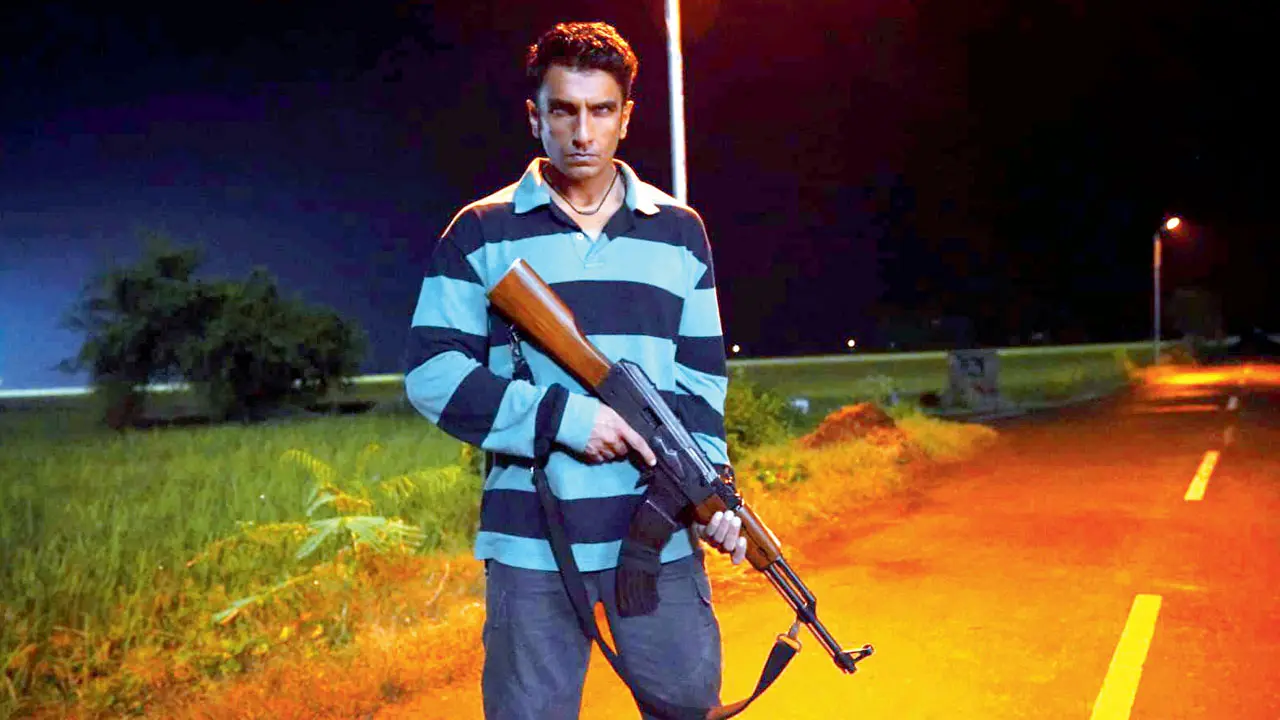
Dhurandhar: The Revenge is an action-packed thriller directed by Aditya Dhar, featuring Ranveer Singh and Arjun Rampal. Rating: 3.5/5.
Let me start by emphasizing what you likely already know about Dhurandhar: The Revenge. In my two decades of reviewing films in North India, I haven’t encountered a movie that has sparked such a cultural frenzy, akin to the Kumbh Mela, urging everyone to see it.
Initially, I had modest expectations for the somewhat unclear Dhurandhar (2025). This was mainly due to its lengthy runtime, which left me yearning for the hero’s journey, while Hamza’s (Ranveer Singh) backstory simmered on the back burner, making it challenging to connect with him as an undercover agent.
Despite its flaws, it was evident why audiences were drawn to the film. The captivating backdrop of Karachi, Pakistan, combined with a well-crafted narrative reminiscent of the ’90s Bombay underworld, offered a compelling viewing experience. Aditya Dhar brilliantly delves into the explosive world of Lyari, transforming it into a vibrant canvas.
Sanjay Dutt’s presence in Dhurandhar: The Revenge adds another layer to the film, alongside Akshaye Khanna’s portrayal of don Rehman Dakait, who ultimately emerges as the film’s true ‘hero’. Although Rehman is no longer alive, his character resonates throughout the story.
Kudos to Dhar for reviving the talented comedian Rakesh Bedi, who shines in his new role as the semi-serious, somewhat sleazy Jameel Jamali.
The sequel is firmly anchored by Ranveer, who undergoes a remarkable transformation from the slender, vulnerable Jaskirat to the wild, long-haired Hamza. Over the course of 229.06 minutes, we learn to invest emotionally in the protagonist, appreciating every move he makes.
The narrative begins with young Jaskirat confronting a criminal family in Punjab over a property dispute, which ties into a subplot involving Rehman Dakait and Bade Saab, the latter having lost his brother, Noor, in Karachi. This narrative thread leads us to a well-known figure, Bade Saab, who represents Dawood Ibrahim—arguably one of the most frequently fictionalized characters in Indian cinema.
Latest portrayals of Dawood have seen him depicted as a matador in Spain or a gritty figure in shows like Bambai Meri Jaan (2023). In Dhurandhar, he appears as a frail, ailing man in his late 60s, reflecting a more authentic representation.
The film cleverly intertwines real-life figures, including references to Nawaz Sharif and Zardari, blurring the lines between fantasy and reality. This adds depth to Hamza’s character as he navigates his dangerous job within the Pakistan deep-state.
However, it’s vital to remember that this is a work of fiction, typical of hard-hitting action films, often amplifying scale and intimacy. While some scenes venture into grotesque territory, there exists a rhythm that viewers acclimate to over time, thanks to the dynamic score by Shashwat Sachdev, which even features Michael Jackson riffs!
Among the many thrilling sequences, my favorite is a gripping fight scene in a restroom, where a syringe pierces an eye and heads meet bathtubs—intense, to say the least!
A question circulating among viewers is whether this film serves as pure propaganda. Personally, I don’t view propaganda as inherently negative unless it crosses certain lines, unlike films such as The Kerala Story. After all, isn’t James Bond a form of propaganda glorifying British power through the lens of a spy-thriller?
That said, the film does resonate with themes that may align with current political sentiments, especially since the 2016 demonetization. While it emphasizes the influence of the ISI on Indian state affairs, it also portrays Hamza as someone who harbors no animosity toward Pakistanis, focusing instead on extremists.
The main antagonist, portrayed by Arjun Rampal as ISI’s Major Iqbal, feels equally formidable as the hero, contributing to the film’s extensive runtime and its heavy reliance on violence.
Indeed, this film stretches to an impressive four hours! Surprisingly, I didn’t find it tedious, as the storytelling quality was remarkable, filled with rich content that connects seamlessly with the first installment, which often left audiences wanting more.
In conclusion, Dhurandhar: The Revenge stands out as a superior sequel, surpassing its predecessor and solidifying its place in contemporary cinema.