
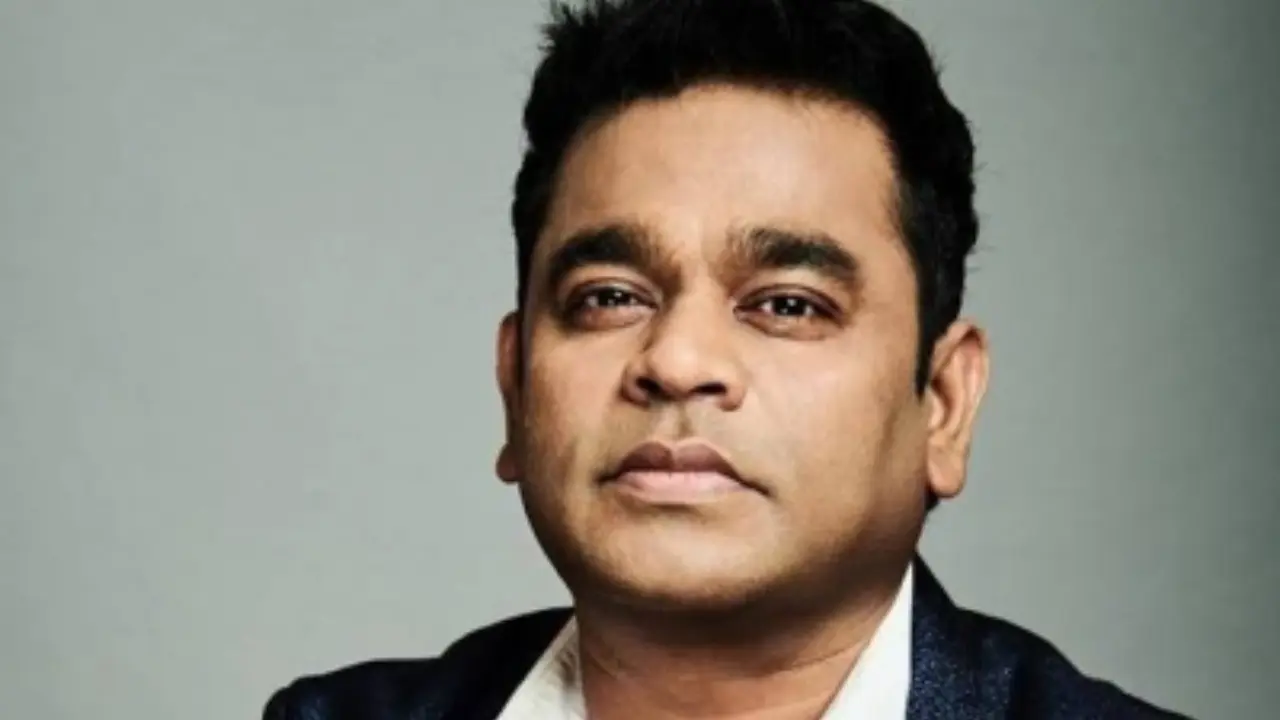
On Friday, acclaimed music composer A.R. Rahman assured the Supreme Court that he would credit the song “Veera Raja Veera,” from the Tamil film Ponniyin Selvan II, as being inspired by the traditional piece “Shiva Stuti” from the family of classical vocalist Ustad Faiyaz Wasifuddin Dagar. Senior advocate Abhishek Manu Singhvi, representing Rahman, informed the court that the composer has agreed, as a temporary measure, to acknowledge the contributions of the late Ustad N. Faiyazuddin Dagar and Ustad N. Zahiruddin Dagar, collectively known as the Junior Dagar Brothers. Singhvi emphasized that this concession is made “without prejudice” to Rahman’s rights in the ongoing civil suit at the Delhi High Court. The bench, led by Chief Justice of India (CJI) Surya Kant, along with Justices Joymalya Bagchi and Vipul Pancholi, mandated that the modified song credits be updated across all social media and OTT platforms within five weeks. They clarified that the civil suit will continue independently, unaffected by today’s proceedings. This follows the Supreme Court’s dismissal of a special leave petition filed by Ustad Faiyaz Wasifuddin Dagar, who contested a previous Delhi High Court ruling that lifted an earlier injunction against Rahman and others. In earlier discussions, the CJI highlighted the significant contributions of the Dagarvani tradition to Indian classical music, suggesting that some form of recognition could be beneficial rather than getting caught up in legal complexities. The case arose when Ustad Faiyaz Wasifuddin Dagar claimed that “Veera Raja Veera” draws inspiration from his family’s traditional “Shiva Stuti.” On September 24, 2025, a Delhi High Court bench ruled that there was insufficient evidence to prove that the Junior Dagar Brothers authored or composed “Shiva Stuti,” vacating prior interim directions, including a Rs 2 crore deposit and credit modifications. The court clarified the distinction between performance rights and authorship, stating that mere performance does not grant copyright. Dissatisfied with the court’s decision, Wasifuddin Dagar has sought the Supreme Court’s intervention to restore the recognition and protection of the Junior Dagar Brothers’ moral and copyright interests.

News for you 247