

In today’s entertainment landscape, microdramas are taking center stage. From cozy homes to bustling metropolitan areas, the sound of smartphones buzzing with these brief narrative snippets is everywhere. However, beneath this surge lies a troubling issue: the exploitation of screenwriters. Many, particularly newcomers, are grappling with meager pay, relentless deadlines, and vague contracts, often expected to produce 60 to 90 minutes of content in less than a week.
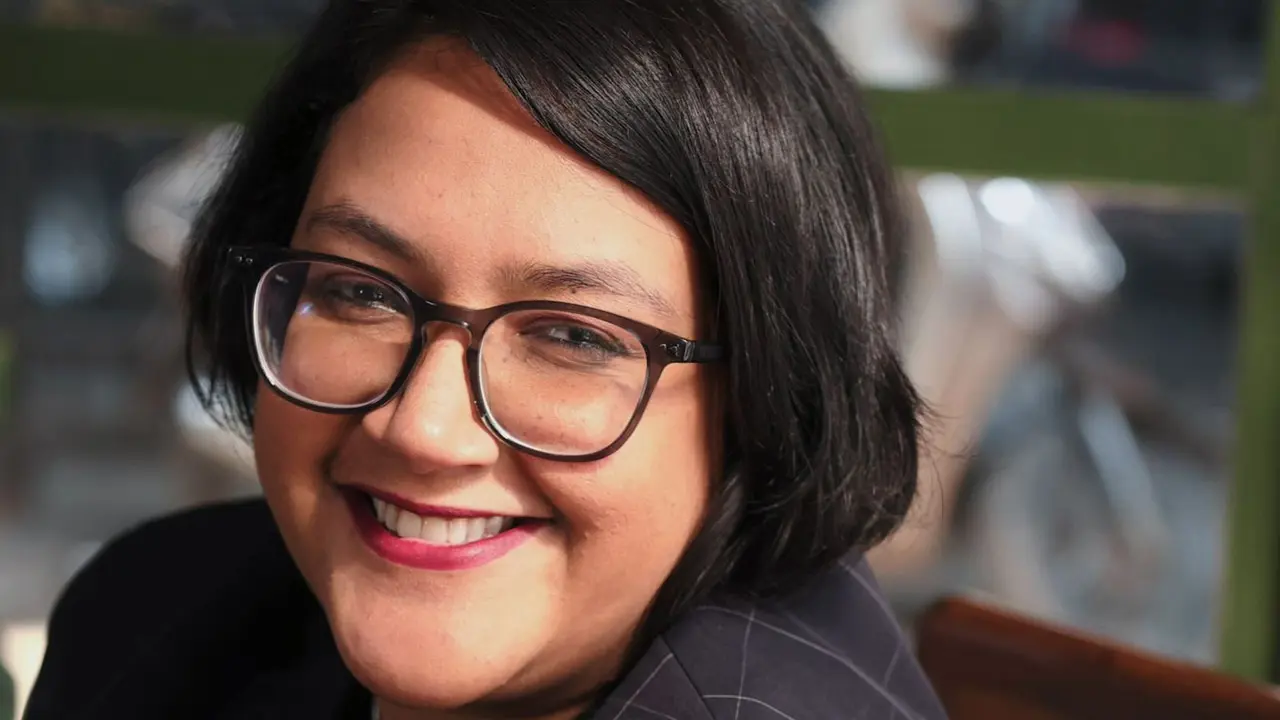
Recognizing the urgency of the matter, screenwriter Sulagna Chatterjee, who has recently ventured into microdrama writing, is addressing these concerns with the Screenwriters Association (SWA) through her initiative, Women Film Circuit (WFC). “Last August, I shared a post highlighting the exploitative nature of the microdrama industry. Writers are often compensated between Rs 1,000 and Rs 2,000 for a 90-minute script. We desperately need regulation. My post resonated with many, but unfortunately, there was no follow-up action,” Chatterjee explained in an interview with mid-day.
The WFC is currently gathering insights from writers in the microdrama field to support a formal letter to the SWA. This letter will include two components: an Anonymous Experience form, capturing pay scales, timelines, and recurring issues faced by writers, and a Signatory Form for those willing to attach their names to the letter.
“I posted on social media because the exploitation in this space is alarming. Many writers reported earning between Rs 1,000 and Rs 2,000 per episode. Although my post went viral, we still need action,” Chatterjee shared with mid-day.
To date, they have received 30 responses for the anonymous experience form. A staggering 70% of respondents reported earning less than Rs 50,000 for an entire show, while 23% received between Rs 50,000 and Rs 75,000. Alarmingly, no one reported earnings exceeding Rs 1.5 lakh, and only 1% claimed to earn between Rs 1 lakh and Rs 1.5 lakh.
Chatterjee expressed that there’s a stigma associated with writing microdramas, which many view as a means of survival rather than a creative choice. “This has become the new norm in the industry, where new projects are scarce, leaving writers feeling hopeless. Microdramas serve as a lifeline, yet they come with a sense of shame. Writers often discuss their work in hushed tones, feeling defeated and unsure of their next steps.”
To enhance writers’ compensation, Chatterjee emphasizes the need for a reevaluation of production budgets. “If a production budget is Rs 15 lakhs, how much do you allocate to the writer? It’s concerning that budgets of Rs 13-15 lakhs for 60-minute content are becoming standard. While tech companies have substantial funds, independent producers in the microdrama sector are also emerging, often prioritizing low-risk, high-return investments, leading to dismal budgets.”
Writers are not only facing financial setbacks but also a lack of respect for their craft. They are often given just a few days to complete scripts. “The tight timelines are a significant issue; clarity and transparency are often missing. Everyone is experimenting, and it’s the writers who bear the brunt. For one project, I had only six days to develop 50 episodes, each lasting a minute and a half. When I requested more time, I was told, ‘Nobody gets 10 days!'”
Of the 30 anonymous responses collected:
– 70% earned less than Rs 50,000 for the entire show
– 23% earned between Rs 50,000 and Rs 75,000
– 0% reported earnings over Rs 1.5 lakh
– 1% earned between Rs 1 lakh and Rs 1.5 lakh.
Notable microdramas that gained popularity in 2025 include:
– ‘Gold Digger Kahin Ki’ (Story TV app)
– ‘Trials & Reposts’ (Instagram)
– ‘Shaitan Haveli’ (Story TV app)
Sulagna Chatterjee is recognized for her contributions to:
– Amazon Mini TV’s ‘Adulting’ (2018)
– ‘Firsts’ for Dice Media (2020)
– A segment of Netflix’s anthology ‘Feels Like Ishq’ (2021).