

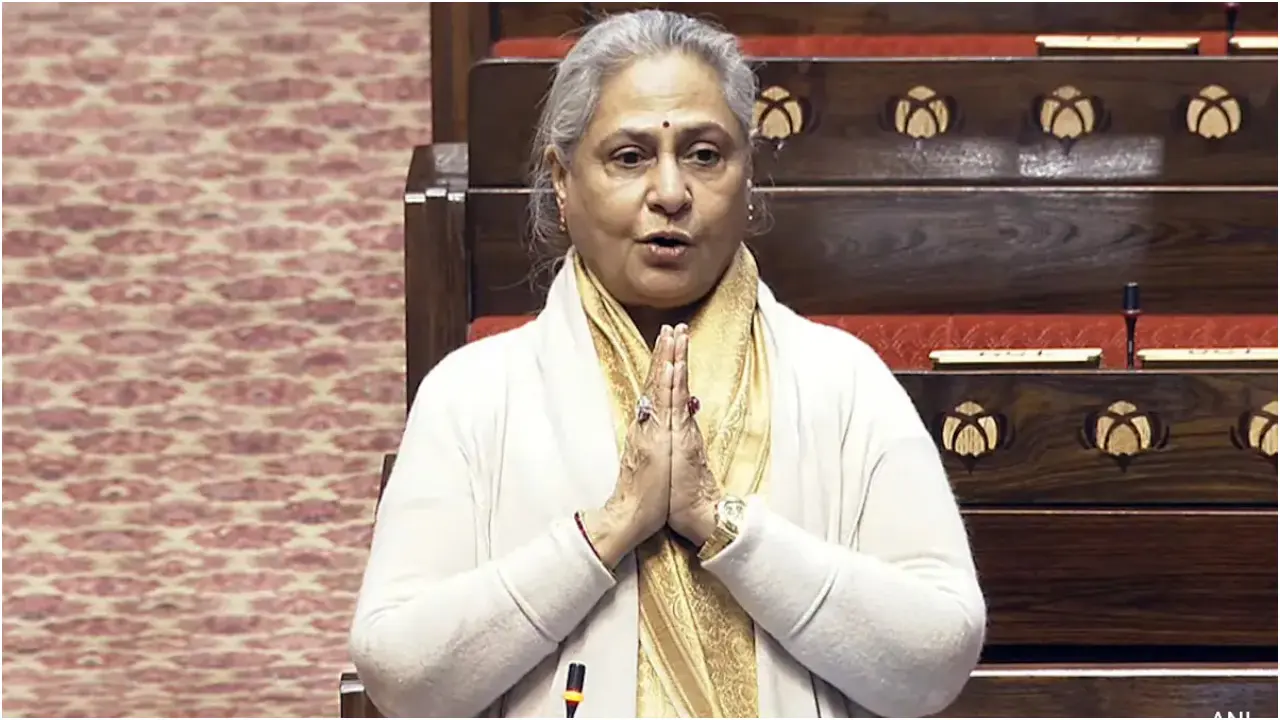
In a passionate address during a recent Rajya Sabha debate, actor Jaya Bachchan voiced her strong disapproval of the Transgender Persons (Protection of Rights) Amendment Bill, which was introduced by the ruling party. She stressed the necessity for the transgender community to have adequate representation in Parliament.
The Bill, presented by Union Minister for Social Justice and Empowerment Virendra Kumar, has faced backlash for allegedly limiting the definition of transgender identity and imposing further procedural hurdles for legal recognition. Activists and legal experts contend that this legislation deviates from the pivotal National Legal Services Authority v. Union of India (NALSA) judgment, which affirmed the right to self-identify one’s gender without requiring medical intervention.
During her speech, Bachchan underscored the cultural and mythological importance of transgender individuals in India, emphasizing, “This community, blessed by Ramji, is integral to our traditions. Their presence is considered auspicious during special occasions.”
She further advocated for the inclusion of transgender voices in legislative discussions, stating, “It’s essential to have representation from this community in both Houses. We should appoint a member from their ranks to ensure their stories and struggles are heard before such Bills are presented.”
Additional Context on the Bill
On the same day, a Supreme Court-appointed advisory committee on transgender rights urged Minister Virendra Kumar to reconsider the Bill. The proposed legislation has ignited protests across the nation, with activists and transgender individuals criticizing it for using vague and unscientific criteria that criminalize their experiences. Concerns have been raised that mandatory medical assessments could lead to intrusive monitoring and undermine the recognition of diverse gender identities.
The amendment suggests significant alterations to the existing 2019 Act, notably eliminating the right to self-identify one’s gender—a right upheld by the Supreme Court in the landmark NALSA verdict. Instead, the Bill proposes a state-controlled certification process, requiring individuals to undergo evaluations by a medical board overseen by a chief medical officer.